If you want to buy a World Cup 2026 jersey, one question usually comes up: which material is best – for the stadium, for playing yourself, or for your collection? Modern national team jerseys almost always use high‑tech polyester, but they differ a lot when it comes to breathability, feel and sustainability. This guide explains which fabric types exist, how they perform in everyday life and during sport – and which material makes the most sense for how you plan to wear your jersey.
Quick answer
- •For maximum breathability and fast drying, lightweight polyester jerseys with mesh inserts are the best choice.
- •For all‑day comfort, softer, slightly heavier polyester blends or retro jerseys with a cotton share work very well.
- •More sustainable options use recycled polyester or blended fabrics – look for “recycled” / “sustainable” notes on the label.
- •Match or “player issue” jerseys are extremely light and tight‑fitting – perfect for playing, less relaxed for casual watching.
- •Fans with sensitive skin should look for smooth seams, soft collars and breathable panels – not just a nice design.
---
1. Which materials are used in World Cup 2026 jerseys?
Modern World Cup 2026 jerseys – whether home jersey, away jersey or third kit – are almost always based on synthetic fibres. The goal: light, durable, quick‑drying and easy to print with crests, numbers and names.
The most important material types in national team jerseys
- •Polyester (100%)
- • The standard for current national team jerseys. Very light, keeps its shape, dries quickly – ideal for sport and frequent washing.
- •Recycled polyester (rPET)
- • Works like regular polyester, but is made from recycled plastics (e.g. bottles). Aim: lower environmental impact.
- •Polyester blends (e.g. polyester + elastane)
- • A bit stretchier and more form‑fitting, often used for “player issue” or tight performance shirts.
- •Cotton / cotton mix
- • Mostly used in retro jerseys, lifestyle shirts and fanwear. Softer to the touch, but heavier and slower to dry.
At WMTrikots26 you’ll typically find three main use cases: - Match‑style jerseys for playing yourself - Fan jerseys for stadium and sofa - Retro jerseys for collectors and streetwear fans
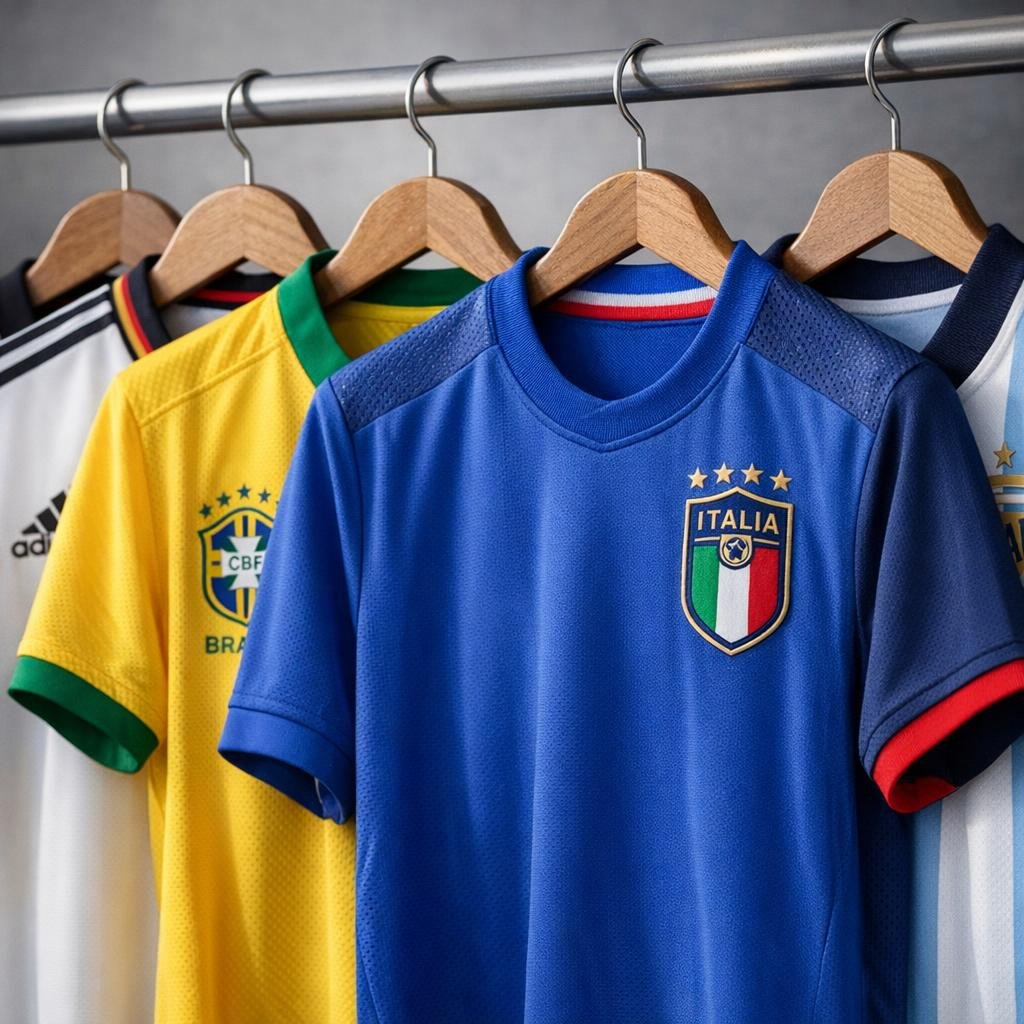
WM 2026 Trikot Materialien im Vergleich: Das beste Jersey für Atmungsaktivität, Komfort & Nachhaltigkeit finden - Hero
---
2. Breathability compared: Which World Cup 2026 jersey material keeps you coolest?
For many fans and casual players, breathability is the key factor. Especially in summer, in packed stadiums or during your own training, the material decides whether you feel fresh or completely soaked.
How breathability works in jerseys
In this context, breathability means: moisture (sweat) is transported away from the skin and can evaporate quickly on the fabric surface. This mainly depends on:
- •Fibre type (polyester vs. cotton)
- •Fabric weight (g/m² – the lighter, the airier)
- •Knit structure (smooth vs. mesh)
- •Ventilation zones (panels under the arms, on the back, etc.)
Material comparison: breathability
- •Lightweight polyester with mesh zones
- • - Very good moisture wicking
- • - Ideal for sport and hot days in the stadium
- • - Typical for “match” or “player issue” World Cup 2026 jerseys
- •Standard polyester fan jersey
- • - Good breathability
- • - Slightly denser, therefore more robust
- • - Comfortable for everyday wear, public viewing and the occasional kickabout
- •Retro jersey with cotton content
- • - Noticeably slower to dry
- • - Can feel “heavy” more quickly in the heat
- • - Perfect for streetwear and collectors, less ideal for intense matches
---
3. Comfort: How does each material feel?
Breathability is one thing – the subjective feel on the skin is another. Here, softness, stretch, seams and fit all come together.
Typical comfort characteristics of the main materials
- •Polyester fan jersey (regular fit)
- • - Smooth surface, low friction
- • - Usually cut a bit looser
- • - Comfortable for long wear (sofa, stadium, everyday life)
- •“Player issue” / slim fit performance jerseys
- • - Very thin and body‑hugging
- • - Maximum freedom of movement during sport
- • - Can feel a bit tight in everyday life, especially with a bit of a belly
- •Retro jersey with cotton
- • - Softer, more “textile” feel
- • - Usually a slightly heavier fabric with a looser cut
- • - Very comfortable for casual wear, less functional for sport
Fit tips: matching material and body type
- •Athletic build / for playing:
- • - Lightweight performance materials, close to the body
- • - Look for elastane content and mesh inserts
- •Average build / everyday fan:
- • - Standard polyester fan jersey in regular fit
- • - Usually your normal size; when in doubt, use the size guide
- •Comfort‑oriented fan / sensitive skin:
- • - Softer fabrics, rather relaxed fit
- • - Retro jersey or fan jersey with smooth, soft seams
If you’re unsure, a size guide and comparison with a jersey you already own will help. WMTrikots26 recommends that fans with broad shoulders go one size up for very tight World Cup 2026 jerseys.

WM 2026 Trikot Materialien im Vergleich: Das beste Jersey für Atmungsaktivität, Komfort & Nachhaltigkeit finden - Detail
---
4. Sustainability: How “green” can World Cup 2026 jerseys be?
More and more fans care not only about the crest, but also about the environmental footprint of their national team jersey. A fully “green” functional polyester jersey is rare – but there are differences.
What to look for in more sustainable materials
- •Recycled polyester (rPET)
- • - Reduces the need for new crude oil
- • - Uses existing plastics (e.g. bottles)
- • - Functionally very similar to new polyester
- •Durability instead of fast fashion
- • - A jersey you wear for many years is more sustainable than several short‑lived shirts
- • - High‑quality construction and careful care are crucial
- •Mindful care
- • - Wash your World Cup 2026 jersey at low temperatures
- • - Avoid tumble dryers and harsh fabric softeners
- • - A gentle cycle protects both fibres and prints – and saves energy
Material vs. sustainability
- •100% polyester
- • - In principle recyclable where systems exist
- • - Robust and long‑lasting when cared for properly
- •Cotton or blended fabrics
- • - Natural share, but sometimes higher water use in cultivation
- • - Comfortable for everyday wear, less functional for sport
Even without an explicit “eco label”, you can make a more sustainable choice by picking a jersey you’ll genuinely wear for a long time – for example a classic home jersey of a national team with a timeless design.
---
5. Comparison table: breathability, comfort and sustainability at a glance
| Material type | Breathability | Comfort (everyday) | Suitable for playing | Sustainability potential | Typical use |
|---|---|---|---|---|---|
| Lightweight polyester + mesh | Very high | Good (slightly technical feel) | Very good | Medium to good (with rPET) | Match / player‑issue World Cup 2026 jerseys |
| Standard polyester (fan jersey) | High | Very good | Good | Medium to good (with rPET) | Home jersey, away jersey for fans |
| Polyester + elastane (slim fit) | Very high | Good (tight fit) | Very good | Medium | Performance shirts, training jerseys |
| Retro jersey with cotton content | Medium | Very high (soft, casual) | Adequate | Medium (depends on cotton) | Retro jersey, streetwear, collectors |
| Pure cotton shirt | Lower | Very high (very soft) | Rather low | Medium (natural fibre but resource‑intensive) | Fanwear, lifestyle shirts |
---
6. Buying advice: Which World Cup 2026 jersey material suits you?
To make sure you don’t just buy based on colour and crest, but actually get the right material, it helps to follow some clear rules.
6.1 For active players and casual footballers
You play football regularly yourself or want to use your World Cup 2026 jersey as a training top?
- •Go for:
- • - Lightweight polyester with mesh zones
- • - Close but not overly tight fit
- • - As few thick seams and patches as possible
- •Avoid:
- • - Heavy retro jerseys
- • - Pure cotton shirts
At WMTrikots26 you’ll find World Cup 2026 national team jerseys with sporty cuts that also work well as training tops.
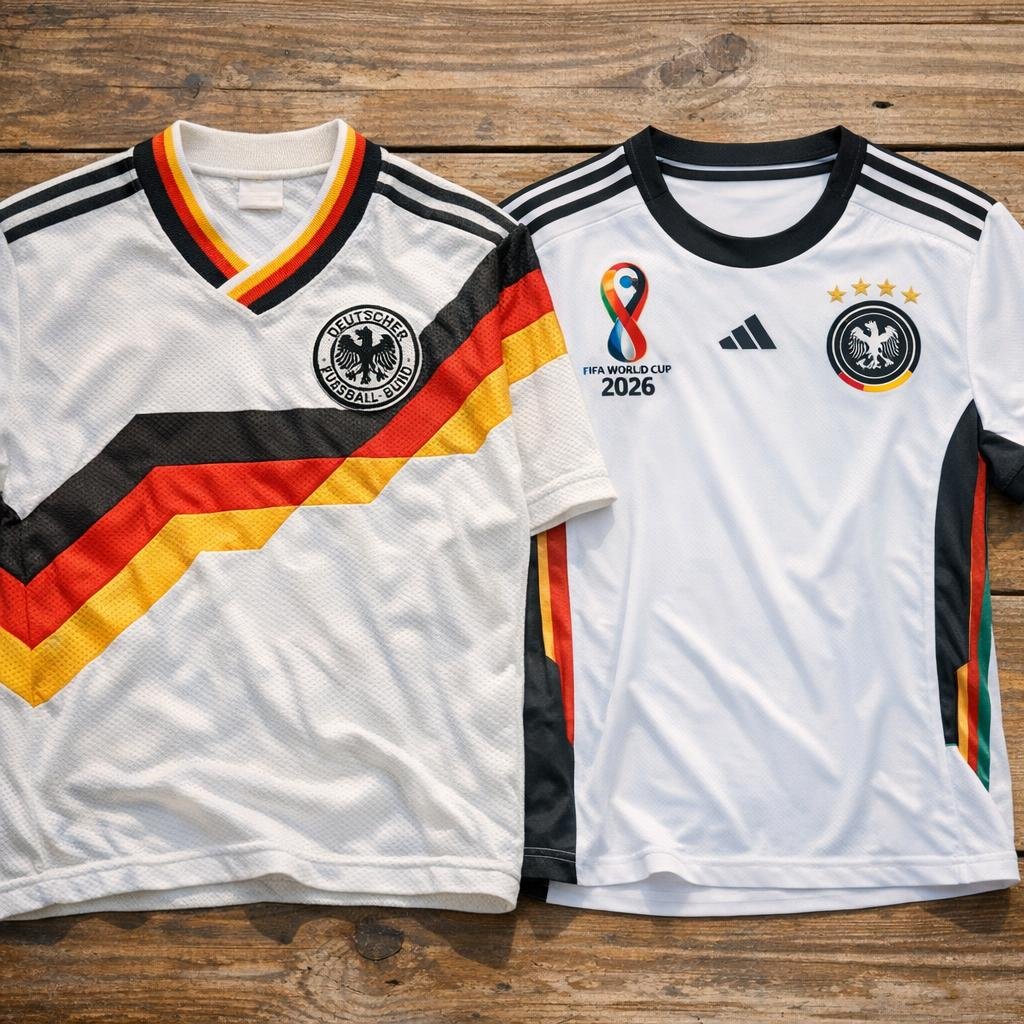
WM 2026 Trikot Materialien im Vergleich: Das beste Jersey für Atmungsaktivität, Komfort & Nachhaltigkeit finden - Ratgeber
6.2 For classic fans: stadium, public viewing, sofa
You mainly want to wear your home or away jersey while watching matches?
- •Go for:
- • - Standard polyester fan jersey (regular fit)
- • - Comfortable collar solution (no scratchy crew neck)
- • - Fabric that isn’t too thin – so it doesn’t feel “cheap”
- •Advantages:
- • - Good mix of breathability and comfort
- • - Works well with name and number printing
WMTrikots26 offers a wide range of World Cup 2026 jerseys from different national teams here – ideal for fans who want a jersey that will last for years.
6.3 For collectors, streetwear lovers and retro fans
You love retro jerseys, historic national team shirts and a relaxed streetwear look?
- •Go for:
- • - Retro jerseys with cotton or heavier polyester content
- • - Slightly looser fit
- • - Striking designs that work beyond a single tournament
- •Keep in mind:
- • - Less suitable for intense matches
- • - Think of them more as lifestyle and fanwear pieces
WMTrikots26 is a good place to look if you want to complement current World Cup 2026 jerseys with older designs and retro jerseys for your collection.
6.4 Kids’ jerseys and women’s jerseys: what to watch for in materials
- •Kids’ jersey:
- • - Robust, easy‑care, quick‑drying
- • - Polyester fan jerseys are ideal as long as they’re not too tight
- • - Look for soft seams and labels
- •Women’s jersey:
- • - Dedicated women’s cuts are usually more tailored and slightly shorter
- • - Materials are often the same as the men’s version, but fit makes the difference
- • - When in doubt, compare both unisex and women’s versions in the size guide
---
7. Care tips: keeping fabric and prints in shape
Even the best material won’t last if it’s cared for incorrectly. This is especially true for World Cup 2026 jerseys with printing (player name, number, badges), where gentle care is crucial.
Basic care rules for all World Cup 2026 jersey materials
- •Washing:
- • - 30°C, gentle cycle
- • - Turn the jersey inside out (protects prints and flock)
- • - Mild detergent, no fabric softener
- •Drying:
- • - Air‑dry on a hanger or flat
- • - No tumble dryer – it can damage both fabric and prints
- •Ironing:
- • - If needed, iron inside out on low heat
- • - Never iron directly over numbers, logos or crests
These rules significantly extend the life of your World Cup 2026 home jersey, away jersey or retro jersey – regardless of whether it’s made from polyester or a cotton blend.
---
FAQ
How can I tell what material my World Cup 2026 jersey is made from?
You’ll find the material information on the label at the neck or side seam. It will say e.g. “100% polyester” or “100% recycled polyester”. Online, product descriptions and filters are helpful.
Which material is best for a World Cup 2026 jersey I want to play in?
For sport, lightweight polyester with good moisture wicking is ideal. Match or performance jerseys with mesh inserts clearly outperform retro jerseys or cotton shirts here.
Are retro jerseys suitable for summer in the stadium?
Retro jerseys look great but are often heavier and less breathable. They’re perfect for cooler evenings or as lifestyle pieces; on very hot days, a modern polyester home jersey is usually more comfortable.
Is recycled polyester less comfortable than regular polyester?
No. Recycled polyester generally feels the same as new polyester. Breathability and comfort depend more on fabric thickness and knit structure than on the origin of the fibre.
Which material is best for kids’ jerseys?
Robust polyester fan jerseys are usually the best option for kids: light, easy to care for and quick‑drying. The key is a not‑too‑tight fit and the softest seams possible.
How should I wash a World Cup 2026 jersey with printing?
Always turn it inside out, wash at a maximum of 30°C on a gentle cycle and never tumble dry. This keeps player names, numbers and crests vibrant and helps prevent peeling.
Can a World Cup 2026 jersey be sustainable?
A fully sustainable functional jersey is rare, but recycled polyester, long use and gentle care clearly improve the footprint. A timeless national team jersey that you wear for many years is usually the best choice.
---
Conclusion: Choose the right World Cup 2026 jersey material for your fan type
In the end, lightweight polyester with good ventilation is unbeatable for sport and hot days in the stadium, while retro jerseys and cotton blends shine for relaxed wear and street style. Recycled polyester improves sustainability without sacrificing breathability or comfort.
Before you buy, think about how you’ll mainly use your World Cup 2026 home jersey, away jersey or retro jersey – for playing, collecting or celebrating. At WMTrikots26 you’ll find national team jerseys, kids’ jerseys, women’s jerseys and retro jerseys that let you match material, fit and design perfectly to your everyday fan life.